


A joint perspective from Harbour City Kitchens and GT Mann Contracting
When a luxury multifamily development comes together beautifully, it’s rarely the result of one team working in isolation. Behind every seamless kitchen install and every perfectly aligned vanity is a chain of coordination that started months—sometimes over a year—before the first cabinet arrived on site.
That’s the reality of how we work together.
As a custom cabinetry manufacturer and a leading custom home builder in Victoria, our teams have found that the projects with the best outcomes share one thing in common: the millwork conversation started early.
Here’s what we’ve learned about making builder–millwork partnerships work.
1. Start the Millwork Conversation Before You Think You Need To
One of the most common misconceptions in multifamily construction is that cabinetry is a finishing trade—something to think about once framing is done and drywall is going up.
In reality, custom millwork touches nearly every room in a home:
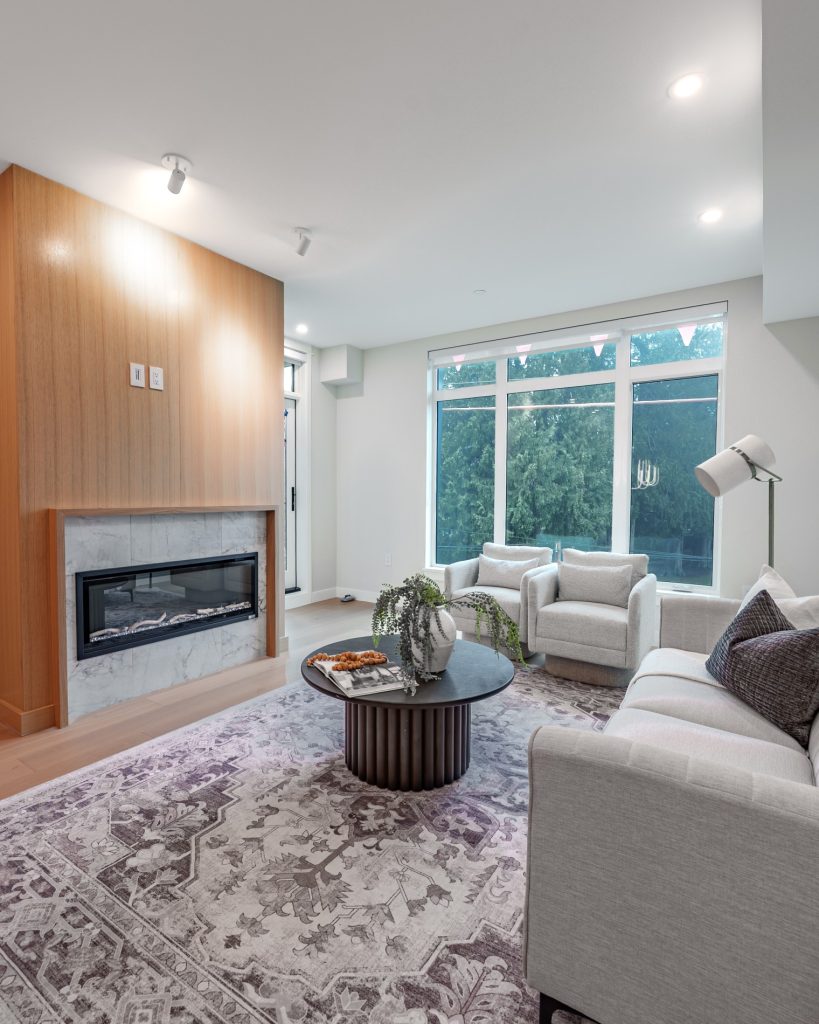
| Kitchens – cabinetry layouts, appliance integrations, countertop coordination Bathrooms – floating vanities, integrated lighting, storage solutions Closets & Storage – custom organizer systems, built-in shelving Laundry & Entryways – utility cabinetry, mudroom built-ins |
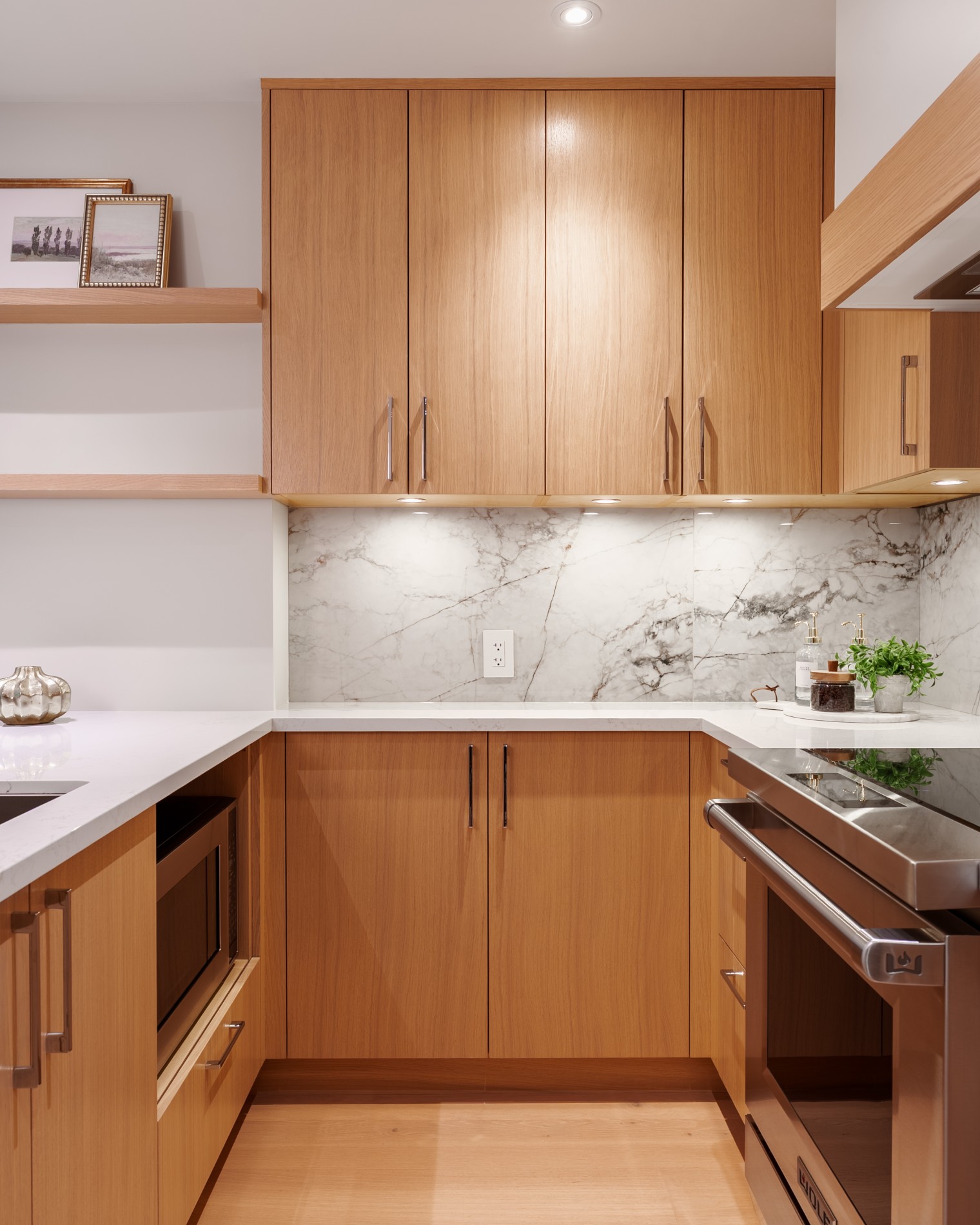
For a development featuring rift-cut white oak veneer cabinetry, solid birch dovetail drawers, and premium appliance integrations from Wolf and Fisher & Paykel—the design specifications needed to be locked in well before production could begin.
| When builders bring their millwork partner into the conversation early, it opens the door to better design solutions, more accurate budgeting, and a production schedule that aligns with the construction timeline rather than chasing it. |
2. Understanding the Real Timeline: Shop Drawings to Installation
One thing that often surprises people outside the industry is how much time custom millwork actually requires. Here’s a realistic breakdown:
Phase 1: Design & Drafting
Cabinetry layouts are developed from architectural and interior design drawings. This includes integrating appliance specs, confirming material and door style selections, and producing detailed shop drawings. Depending on complexity and the number of unit types, this phase can take several weeks of back-and-forth collaboration.
Phase 2: Production
At Harbour City Kitchens, all manufacturing takes place in our 60,000 sq. ft. facility in Saanichton, giving us full control over quality and lead times. For multifamily projects, production is staged across multiple units—manufactured and delivered in coordinated batches rather than all at once.
Phase 3: Installation
Installation demands precise scheduling. Cabinets need to arrive after drywall, painting, and flooring are complete—but before countertop templating and plumbing hookups. A well-coordinated install keeps the project moving. A poorly timed one creates costly delays for every trade that follows.
| 💡 Key Insight: On a 20-unit project, even small scheduling gains per unit can save weeks on the overall timeline. That efficiency starts with a shared understanding of the millwork production cycle. |
3. Builder’s Checklist: Setting Up a Smooth Millwork Installation
At GT Mann, our project managers and site supervisors coordinate dozens of trades across complex build schedules. When it comes to millwork, a few straightforward steps on the builder’s side make all the difference.
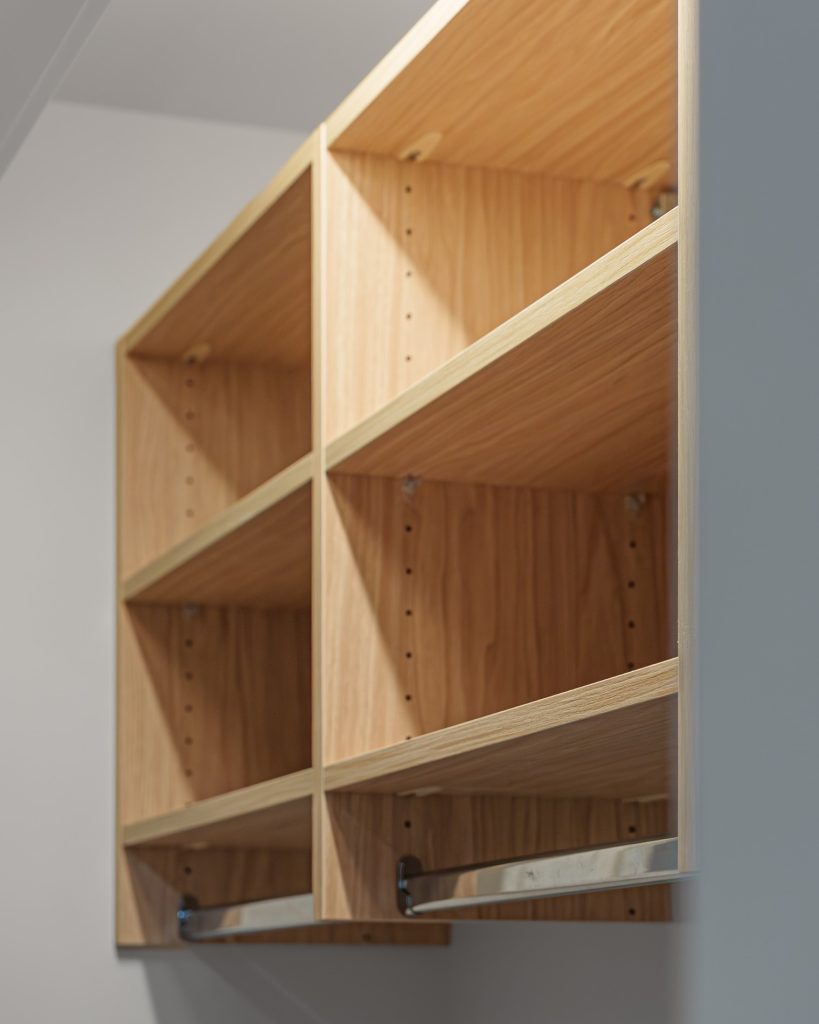
- Accurate, timely site measurements. Even with preliminary layouts from architectural plans, a post-drywall site measure confirms real-world dimensions and catches discrepancies before installation day.
- Installation area truly ready. Walls painted, flooring down and protected, space clean and accessible. When cabinets arrive to a site that isn’t ready, delays ripple through countertop templating, plumbing, and electrical.
- Early communication on schedule changes. Construction timelines shift—that’s expected. But the earlier a builder communicates a change, the easier it is for the millwork partner to adjust production without disrupting the broader workflow.
- Designated material staging area. Cabinetry arrives 1–3 days before install. Having a clean, protected staging area prevents damage and keeps the installation team on schedule.
- Single point of contact. Assigning one person to coordinate between the builder’s site team and the millwork installer eliminates miscommunication and keeps decisions moving.
| In multifamily projects with multiple units progressing simultaneously, these basics require a level of coordination that only comes from a builder who prioritizes organization at every stage. |
4. Why Local Manufacturing Gives Island Projects an Edge
One of the distinct advantages of working with a local millwork partner is the ability to respond quickly when conditions change.
| The HCK Advantage for families• Shorter lead times – no off-island or overseas shipping delays• Staged production – unit-by-unit manufacturing matched to the builder’s install schedule• Reduced site storage – coordinated batches minimize on-site inventory and damage risk• Days-not-weeks response time – design revisions, replacement parts, or post-install adjustments handled fast• Full-service accountability – design through installation, one team owns the entire scope |
For a builder managing a tight multifamily timeline, that kind of local responsiveness is invaluable—and it’s a level of service that’s simply not possible when cabinetry is sourced from distant manufacturers.
5. What a True Builder–Millwork Partnership Looks Like
The best results come from genuine partnership—not just placing an order and scheduling a delivery. It means shared problem-solving during design, proactive communication throughout production, and a mutual commitment to quality and timeline.
What GT Mann Brings to the Table
GT Mann Contracting brings over 17 years of experience and more than 200 homes built, with a focus on precision, transparency, and client satisfaction. Their project management structure—dedicated project managers, site supervisors, and an owner care team—creates the kind of organized job site where trades can do their best work.
What Harbour City Kitchens Brings to the Table
Harbour City Kitchens brings over 40 years of manufacturing heritage, a fourth-generation commitment to craftsmanship, and the infrastructure of a 60,000 sq. ft. local facility with state-of-the-art production equipment. Our full-service approach—from custom design through manufacturing, delivery, and installation—means builders have a single point of accountability for every piece of cabinetry.
| When the people building the homes and the people building the kitchens share a commitment to quality and clear communication, the result is a better product for the end buyer and a smoother process for everyone involved. |
6. Key Takeaways for Your Next Multifamily Project
Whether you’re a developer, builder, or architect, these principles consistently lead to stronger outcomes:
- Engage your millwork partner during design development, not after construction is underway.
- Allow adequate lead time for custom manufacturing—complex projects need months, not weeks.
- Build structured communication between your site team and subtrades, especially for phased installations.
- Prioritize local manufacturing partners who offer flexibility, responsiveness, and direct accountability.
- Treat the builder–millwork relationship as a partnership, not a vendor transaction.
| Planning a family project on Vancouver Island? Get in touch with our teams to discuss how early collaboration can set your project up for success. Harbour City Kitchens: Book a Consultation | View Our Work GT Mann Contracting: Get In Touch | View Projects |