


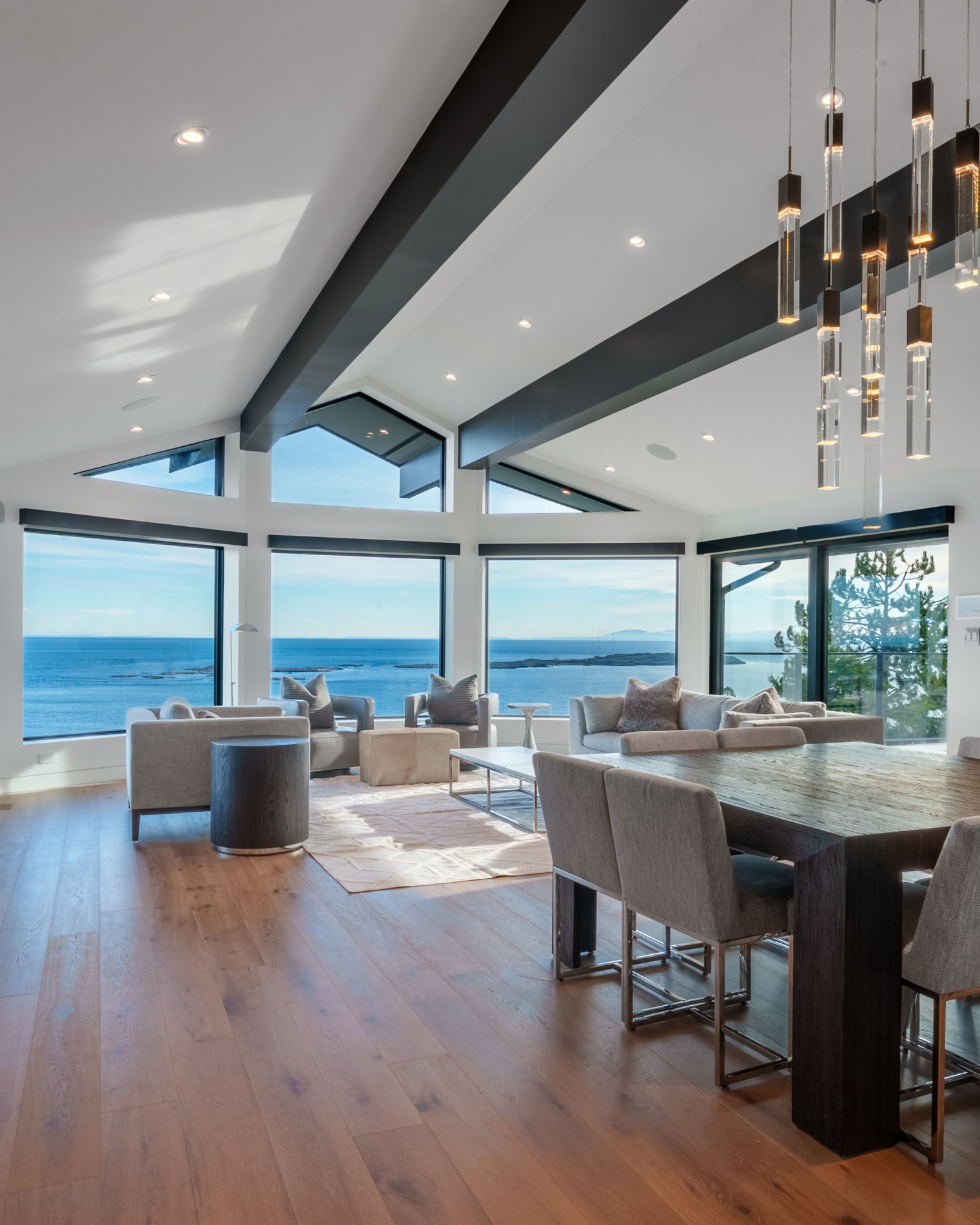
Beautiful homes are easy to find. Magazines are full of them. But the homes that make their owners genuinely happy aren’t just beautiful; they’re designed around how the people who live in them actually live. That’s the difference between a home that looks great in photos and one that works on a Tuesday morning when everyone is trying to leave the house at the same time.
Start With Routines, Not Rooms
Most people think about design in terms of rooms, the kitchen, the primary bedroom, and the mudroom. But the better starting point is routines. What does a typical weekday morning look like in your house? Where do bags and shoes land when you walk in the door? Where do groceries go? Who showers when, and which spaces get busy at the same time?
These ordinary patterns shape what your home actually needs to do. A family that hosts often needs a different kitchen flow than one that doesn’t. A couple working from home needs different acoustic and lighting considerations than empty nesters. Designing around routines means the house quietly supports your life instead of fighting it.
The Three-Foot Decisions That Matter Most
Big design choices, such as the overall layout, ceiling heights, and window placement, set the bones of the home. But day-to-day livability often comes down to small details measured in feet, not floor plans.
Drop zones: A proper landing spot near the door for keys, bags, shoes, and mail prevents the kitchen counter from becoming the de facto dumping ground.
Kitchen pathways: The space between the island and the fridge or between the sink and the dishwasher matters more than the kitchen’s overall size. Cramped pathways frustrate every time you cook.
Outlet planning: Where you actually want to charge a phone, plug in a coffee maker, or set up a laptop is a daily-use question that affects how the home feels.
Lighting layers: Overhead lighting alone makes a beautiful room feel flat. Adding task lighting and ambient lighting changes how a space feels from morning to evening.
Designing for the Long Term
A custom home is a long-term decision. The way you use the house at 40 may not be the way you use it at 60. Building in flexibility, like a main-floor bedroom that can become a primary suite later, a basement designed to be finished as a suite, or doorways and hallways wide enough to age in place, costs little at construction and pays off for decades.
Storage is the other long-term consideration that quietly determines how livable a home is. Built-in storage in entries, primary closets, pantries, and laundry rooms makes a huge difference. Stuff accumulates. A home designed with that in mind ages well; one that isn’t, doesn’t.
Beautiful and Functional Aren’t Opposites
There’s a misconception that designing for function means giving up beauty. The opposite is usually true. Homes that work well feel calm. Spaces that don’t fight you visually or physically are the spaces you actually relax in. Many of the most beautiful homes are the ones built around how their owners genuinely live, not around what looks impressive in a photo.
The goal isn’t a home that wows visitors for ten minutes. It’s a home that quietly improves your daily life for the next 20 years.
Design changes during the Build
All of these considerations can be overwhelming. You might feel like you’ve decided every detail while working with a home designer or architect before construction, but then you realise during construction that what you planned on won’t work for you in the way you want it to. These mid-construction changes are why working with experienced custom home builders is so important – a good builder will help you understand how any one change can affect other areas of the home, while also helping you understand the budget and timeline impact of the change to make. Being solutions-oriented and flexible while keeping a client informed is the mark of a good builder.
Thinking about a custom build in Victoria BC? We help people understand the impacts of their design changes throughout the build. Contact us today to find out more.