


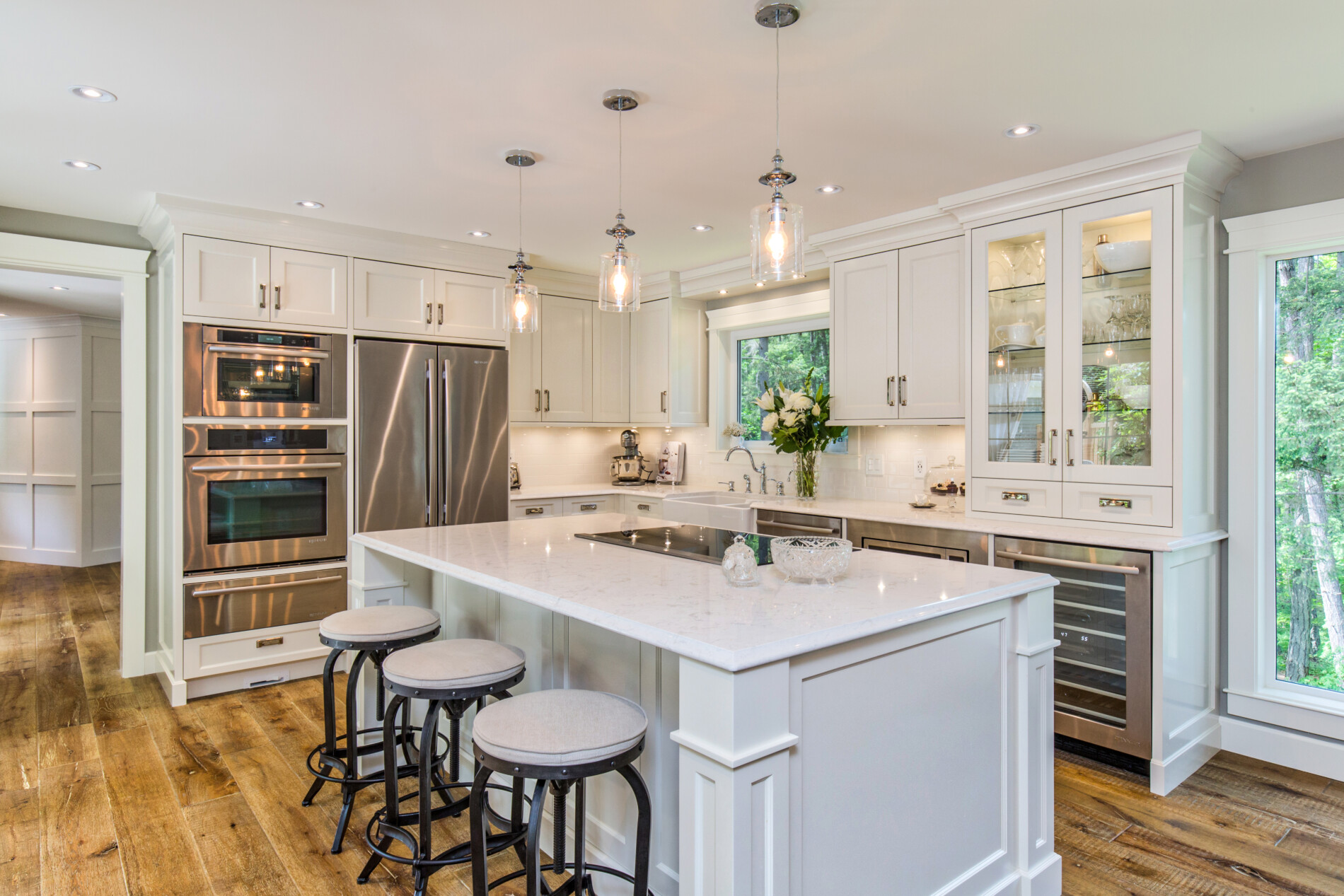
Major renovations are a different animal from new construction. The general principles overlap; you’re still designing, permitting, demolishing, and building, but the logistics, surprises, and emotional journey are unique. If you’ve never been through one, knowing what to expect can make the difference between a great experience and a frustrating one.
It Starts With an Honest Assessment
Before any design work begins, a good builder will walk through your home with you and assess what’s actually there and whether you should build a new home or renovate. This isn’t a quick visit. It includes inspecting the foundation, framing, roof, electrical, plumbing, HVAC, and any obvious signs of moisture, rot, or prior repairs.
This assessment shapes everything that follows: what’s possible, what’s worth doing, and where to allocate budget. In older Victoria homes (and there are a lot of them in Oak Bay, Fairfield, and James Bay), this stage often surfaces things you didn’t know about your house. That’s a feature, not a bug.
Design and Permitting Take Longer Than You Think
For a major home renovation in Victoria, design and permitting can easily take three to six months, sometimes longer if structural changes or zoning variances are involved. Most municipalities in the CRD require permits for any work affecting the structure, plumbing, electrical systems, or the building envelope. Cosmetic-only work may not require permits, but the line between cosmetic and structural moves quickly once walls start coming down.
Plan for this stage. Home renovations that try to skip thorough planning almost always run into trouble during construction.
The Question Everyone Asks: Do We Move Out?
This depends entirely on the scope. A kitchen renovation can usually be done while you live in the home, though expect the kitchen itself to be unusable for weeks. A primary suite renovation can often be lived through. But a whole-home renovation, anything involving the roof, or major work affecting heating and water, those are usually easier on everyone if you find temporary accommodations.
Living through a renovation might seem like it saves money, but it often impedes work efficiency as construction works around daily life. Dust gets everywhere. Plans for the day get interrupted. Decisions need to be made on the fly. Some clients love being on-site daily; others find the disruption hard. Be honest with yourself about which type you are.
Older Homes Hide Things
This is the big difference between renovations and new builds: you don’t know everything that’s behind the walls until the walls come down. Knob-and-tube wiring, undersized plumbing, missing insulation, rot at window sills, old oil tanks buried in the yard- any of these can show up once demolition begins.
This is why most experienced builders include a contingency line item, typically 10 to 15% of the project budget, specifically for renovation surprises. Use it. The clients who finish their renovations happiest are the ones who plan for surprises rather than hoping they don’t happen.
Communication Is the Whole Game
More than new builds, renovations depend on clear, frequent communication. Decisions need to be made quickly when surprises emerge. Schedules shift as trades work around what’s found behind the walls. A good builder will keep you informed, present options clearly, and help you make decisions without pressure, even when the timeline is tight.
Thinking about a renovation? Contact us today. We’re happy to walk through your home with you and give you an honest read on what’s possible.